OpenAI Plans to Buy Google TPUs: What Changes When Nvidia's Biggest Customer Shops Elsewhere

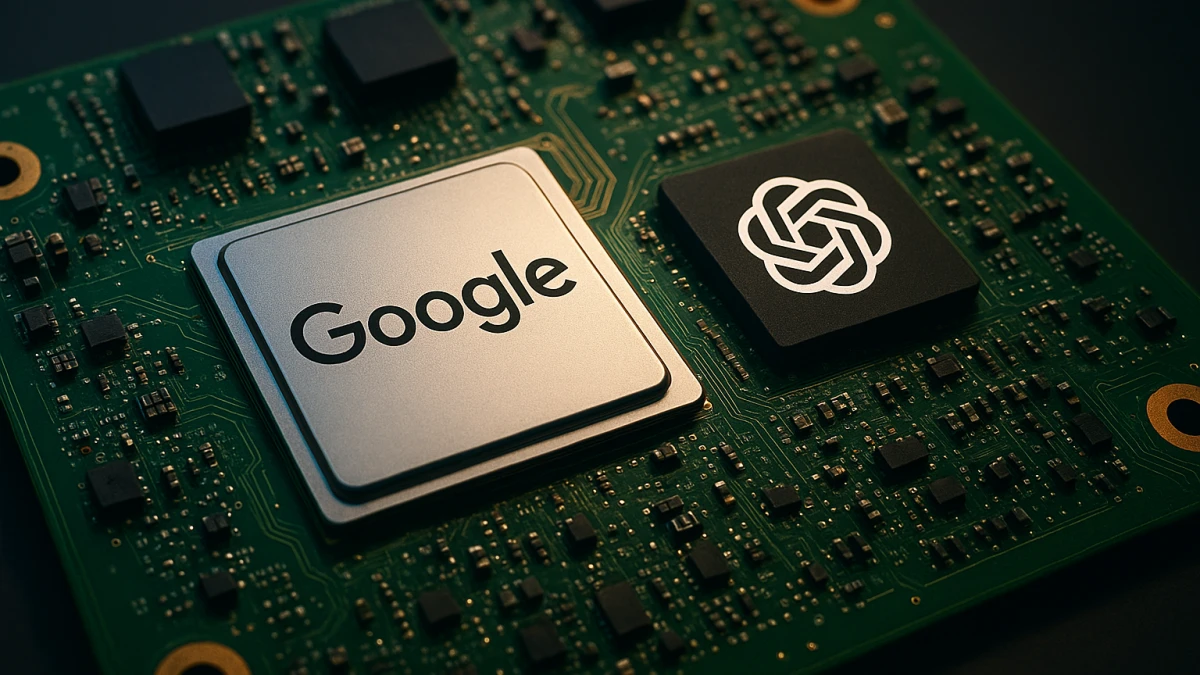
The Information reported on October 27 that OpenAI plans to buy Google TPUs, and Reuters followed the same day. No figures, no timeline and no comment from either company: the interesting part is not the headline, it is that buying chips rather than only renting them is now a real option.
What Was Reported, and What Was Not
The starting point is a report, not a press release, and that difference decides how everything else should be read.
The Information's Story and Reuters' Follow-Up
The Information published on Tuesday, October 27, that OpenAI plans to buy AI chips from Google, citing a person familiar with the matter. Reuters carried it the same day and added two pieces of context: the move would deepen ties between OpenAI and Google, rivals in AI and in search, and that same week OpenAI had said it would make its frontier models available through Google Cloud. The two companies were already discussing more than a silicon order.
What the Report Does Not Say: Figures, Timelines and Comments
There is no amount, no chip count, no delivery date and no split between training and inference. Google did not respond to Reuters outside business hours, and OpenAI declined to comment. So the sentence "OpenAI to buy Google TPUs" is confirmed by nobody: what exists is a plan attributed to a single source.
Read also
Why June 2025 Is Worth Remembering
In June 2025 it was reported that OpenAI would start renting TPUs through Google Cloud, its first meaningful use of non-Nvidia chips. Two days later, OpenAI said it had no active plans to use Google's chip. With this buyer, a report is a leaked intention, not a contract.
Buying Instead of Renting: What Actually Changes
Both options look alike on an invoice and differ in everything else.
Renting Capacity in Someone Else's Cloud
Renting means capacity inside Google's data center: you pay for usage, with no upfront investment, and the provider handles maintenance and hardware generations. The trade-off is that you do not decide when the chip changes, you compete for capacity with everyone else, and you are exposed to someone else's quotas and prices.
Read also
Owning Hardware: Capex, Lifespan and Control
Buying is capital expenditure: you pay upfront, depreciate over years and decide utilization. The asset is yours and can be reassigned across workloads. The risk moves: it is no longer price, it is having bought the wrong generation. For a lab planning compute five years out, that is a financial decision, not a technical one.
Google Has Sold TPUs to Select Customers Since May
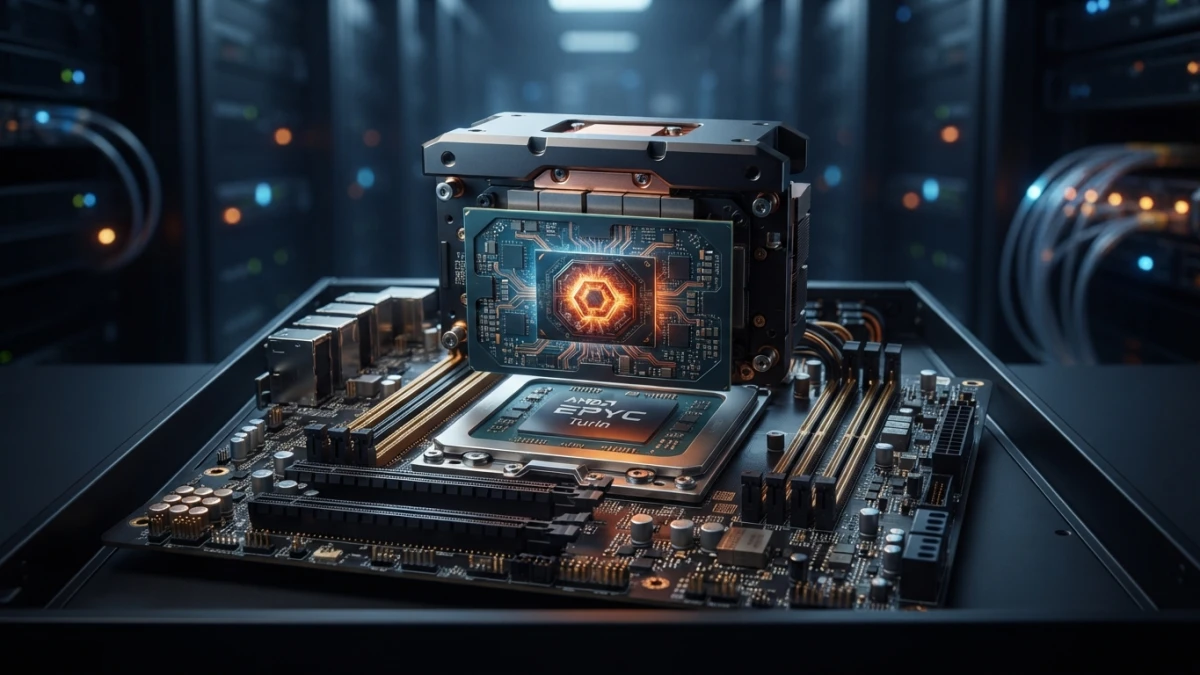
This is the structural change that makes the report credible. A TPU used to be available only by renting it in Google Cloud. Since May 2026, Google sells full TPU systems to a select group of customers who install them in their own data centers, and its executives described it that way: a small group, on their own premises. Without that door open, the sentence would not be possible.
The Software Moat Moved in October
The silicon was never the only barrier: the expensive part was porting code.
TorchTPU: Native PyTorch on TPUs, Open-Sourced With Meta
On October 20, at the PyTorch Conference North America, Google and Meta open-sourced TorchTPU: a native PyTorch backend for TPUs, with eager execution and integration with torch.compile and XLA. The promise is migrating with configuration changes instead of rewriting the model. Meta said it plans to move larger language model workloads to TPUs.
AWS TorchNeuron and vLLM's TorchTPU Backend
The same week, AWS published TorchNeuron for Trainium in public beta, and vLLM shipped its TorchTPU backend with direct device buffer reads, keeping its scheduler, batching and OpenAI-compatible API. All three cloud giants are investing so the same PyTorch code runs on their silicon: that turns migration into a purchasing decision rather than an engineering one.
A Config Change Is Not Peak Performance
The caveat came from The New Stack: getting a model to run is easy, reaching peak performance demands TPU-specific optimization, with sharding, XLA flags and custom kernels. "You no longer need CUDA" is half true: you no longer need it to start.
The Hardware in Comparable Numbers
With the usual warning: figures from third parties or from the company selling, never from a test of ours.
TPU v7 Ironwood: Memory, Bandwidth and FP8
Ironwood is described at roughly 4,614 TFLOPs in FP8, 192 GB of HBM3E across eight stacks and 7.4 TB/s of bandwidth, according to third-party spec sheets from the announcement. Those numbers belong to the same family as the reference GPUs: the conversation is no longer about "less power", but about similar power with different software and a different price.
TPU 8i and 8t: What Google Promises Per Dollar
At Cloud Next in April 2026, Google introduced the next generation: TPU 8i for inference, with up to 80 percent more performance per dollar than Ironwood on low-latency targets for large mixture-of-experts models, and TPU 8t for training, with up to 2.7 times more per dollar. These are Google's figures and nobody outside Google has reproduced them.
What OpenAI Already Has In-House
Buying TPUs would not be its first diversification move.
Jalapeño, the Inference ASIC Built With Broadcom
OpenAI announced Jalapeño in June 2026, its own inference chip built with Broadcom: inference only, around 700 W, and a claim of 50 percent lower cost per token against reference GPUs, with gigawatt-scale deployment from late 2026. The full analysis is in our note on its deployment.
Diversifying Is Not Replacing
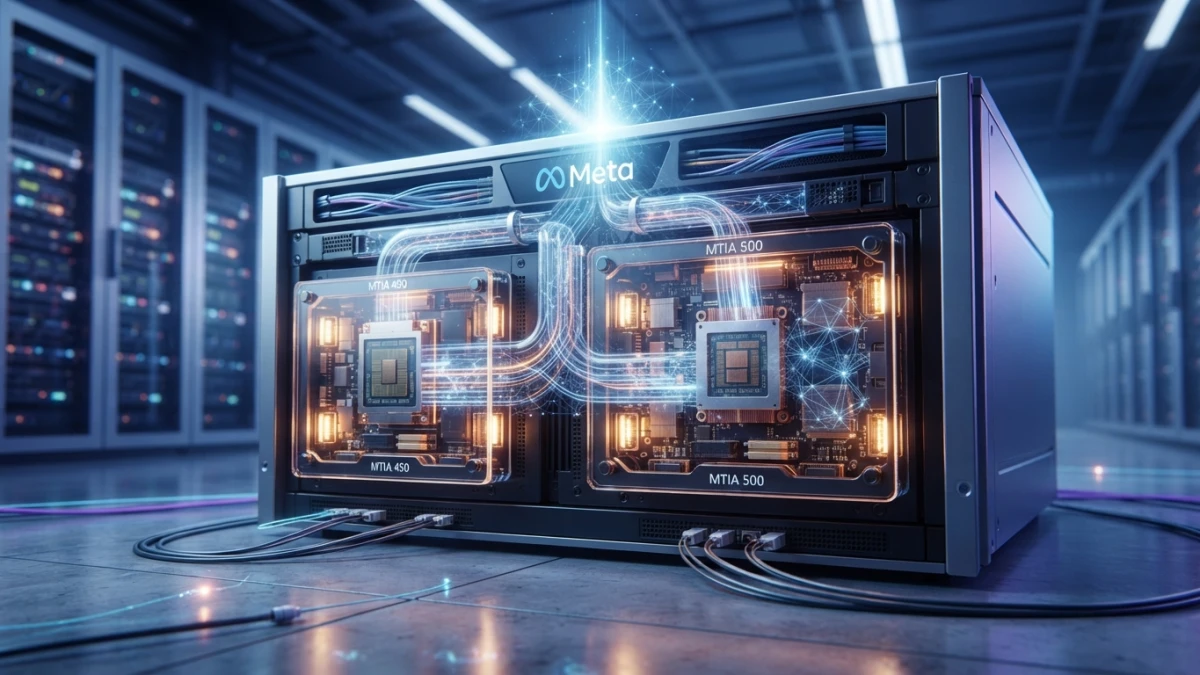
Holding Nvidia GPUs, its own ASIC and TPUs at once is not a war, it is a portfolio. Each supplier covers a slice of the workload and presses on the other two's pricing. Supply is moving the same way: Nvidia expanded its buyback and disclosed huge contracts with Anthropic (id 1202), Meta is preparing its MTIA chips for 2027 (id 1177), and Anthropic committed up to one million chips and 3.5 GW of TPU capacity from 2027.
The Price-Per-Token Math
The practical question is not which stock goes up, it is what happens to the bill.
If Serving Gets Cheaper, Does the Price Follow?
Not automatically. Cost per token decides the provider's margin; price is decided by competition for capacity. If demand outruns supply, what shows up first is not a discount: it is rate limits, queues and a different default model.
What the Market Said on October 27
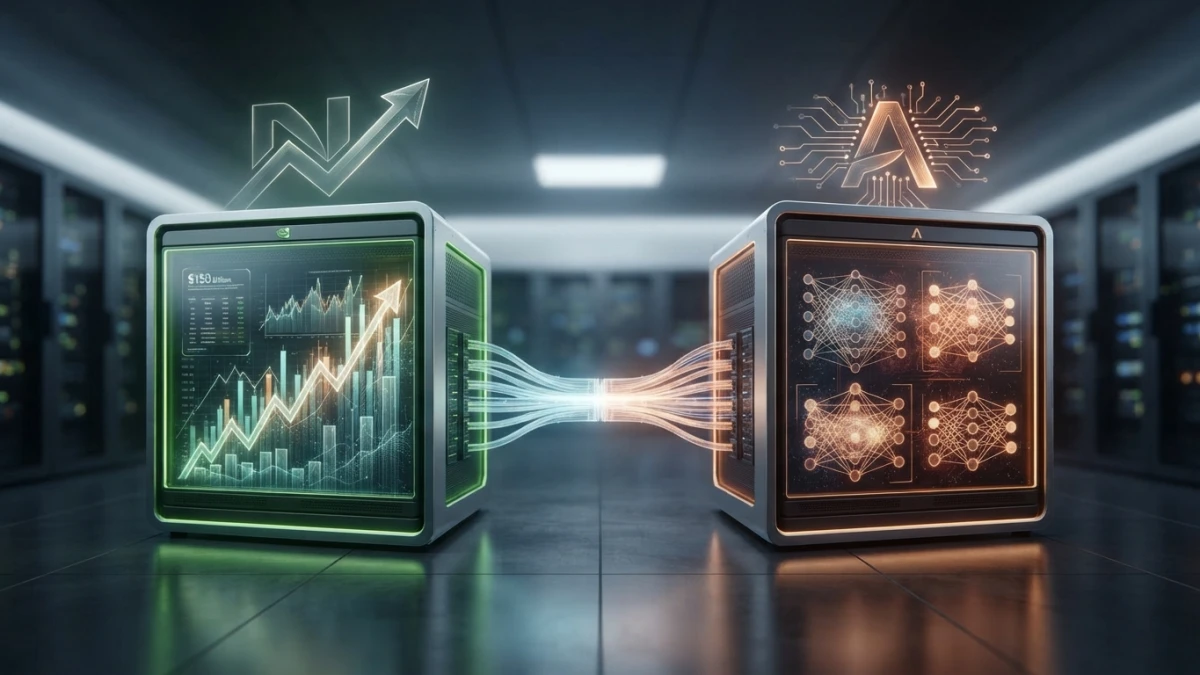
Nvidia closed that day up 0.9 percent at 217.94 dollars, below the Nasdaq. Alphabet told investors that TPU sales accelerate in the final stretch of 2026 and that most of that revenue is recognized in 2027. A single report does not move a market on its own; a multi-quarter trend does.
What to Do With Your Stack This Week
If you build on APIs or serve your own models, this translates into three tasks.
Abstract the Compute Provider
Do not tie your code to cuda. Work on PyTorch, ONNX or vLLM and keep the device in configuration: if moving a workload to another accelerator means rewriting the model, your code has already made the purchasing decision for you.
Measure Cost Per Finished Task, Not Tokens
The token is a billing unit, not a unit of value. Measure what a task costs once the user accepts it, retries and failures and latency included. A model that is cheaper per token and fails twice as often is more expensive.
Keep a Second, Tested Provider
You do not need to migrate 100 percent: a second tested path for part of the traffic is enough, with the model versioned in configuration and a periodic test. The day prices or quotas change, that test is the difference between two hours and two weeks.
Conclusion
The report does not say OpenAI will switch suppliers, and it will probably take a while before anyone confirms it. What it does say is more interesting: the decision stopped being technical and became a purchasing one, because software no longer locks you in and hardware is now for sale. Three things to watch over the next months: when TPU 8i reaches customers outside Google Cloud, how long TorchTPU takes to approach CUDA-level performance, and whether TPU sales show up in Alphabet's 2027 numbers. If infrastructure is your thing, we keep publishing on it every week.