Ubuntu 26.04 LTS 'Resolute Raccoon': What's New and How to Upgrade from 24.04

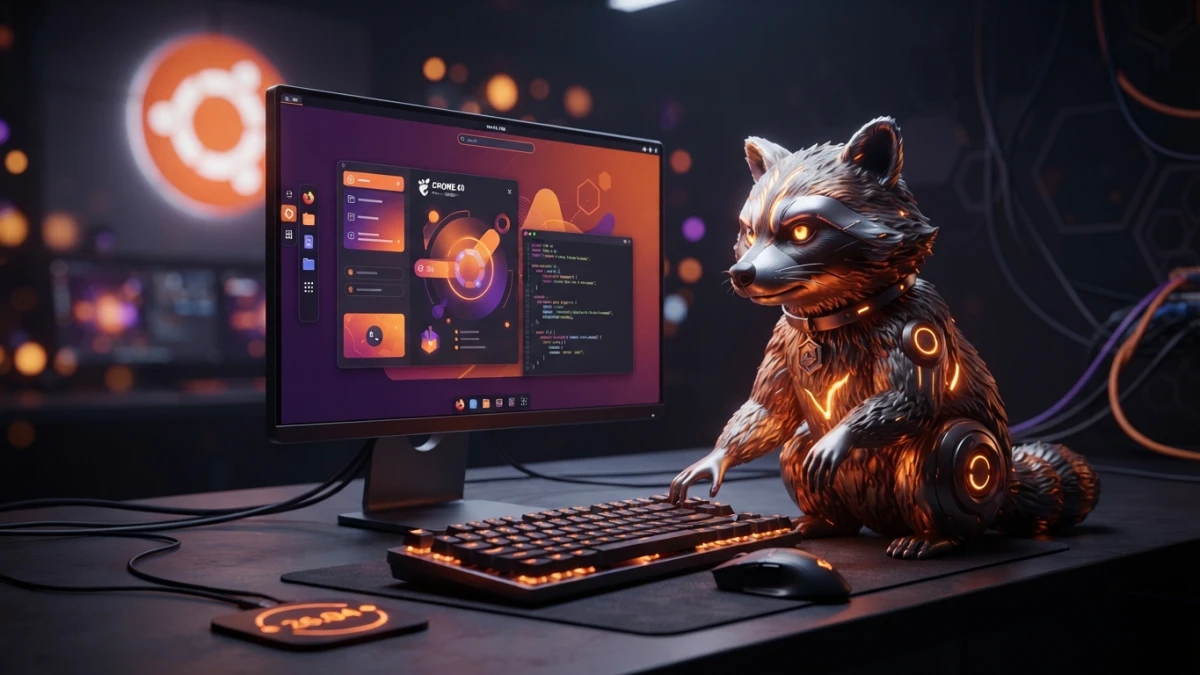
Ubuntu 26.04 LTS "Resolute Raccoon" shipped on April 23, 2026, with GNOME 50, Linux Kernel 7.0, and the final goodbye to the X11 session. If you are coming from 24.04 LTS, here is what changed and a step-by-step guide to upgrading without surprises.
Resolute Raccoon: The Most Important LTS Since the Wayland Transition
With Ubuntu 26.04 LTS, Canonical consolidates four development cycles (24.10, 25.04, 25.10, and 26.04) into a single long-term support release. Analysts describe it as the most significant release since the project completed its Wayland transition, because it finally closes that chapter: the X11 display server disappears from the desktop entirely, and Wayland becomes the only path into the graphical system.
Five Years of Standard Support, Ten with Ubuntu Pro
Like any LTS, Ubuntu 26.04 LTS receives five years of standard support: security and maintenance updates until April 2031. If you also enable Ubuntu Pro, that period extends to 2036 thanks to the ESM (Extended Security Maintenance) service. That extra coverage is especially useful on servers and business machines that cannot afford to refresh hardware every few years, and it activates without reinstalling anything.
GNOME 50: The Desktop's Big Leap
The jump from GNOME 46, which shipped with Ubuntu 24.04 LTS, to GNOME 50 is one of the biggest Ubuntu's default desktop has taken in years. The new version arrives with a noticeable visual redesign, smoother transitions, and several features aimed at home use, including built-in parental controls that let you limit screen time and filter content directly from system settings.
Visual Updates and Parental Controls
The redesign touches panels, notifications, and the control center, with a cleaner and more consistent look than previous releases. But the feature getting the most attention is parental controls: for the first time, a standard Ubuntu install includes tools to manage children's accounts without third-party software. That brings the Linux desktop closer to families who previously saw it as an exclusively technical option.
The Final Goodbye to X11: Wayland Only
The most radical decision in this release is the complete removal of the X11/Xorg desktop session. GNOME no longer supports the legacy display server, so Wayland is the only option. For most users the difference will be imperceptible: Wayland has been the default in Ubuntu for years, and the problematic cases (very old graphics cards, unported GNOME extensions, tools that depended on X11) are increasingly rare. Still, before upgrading, it is worth reviewing which extensions and applications you rely on and checking that they have Wayland-compatible versions.
Kernel 7.0 and Performance
The system base moves to Linux Kernel 7.0, which brings the drivers and improvements accumulated over the last few cycles. In practice, that means better support for the newest hardware and more stable performance on modern desktops and laptops alike.
Recent Hardware and Power Efficiency Gains
Kernel 7.0 expands compatibility with the latest processors and graphics cards, which is especially noticeable on very new machines that previously required extra parameters or drivers. It also includes power-efficiency optimizations that help stretch battery life on laptops, a detail that matters on an LTS you will keep for years.
System Changes and Default Applications
Beyond the desktop and the kernel, Ubuntu 26.04 LTS introduces several system changes and refreshes the applications installed by default, aiming for a more polished experience from the very first boot.
Sudo Feedback and New Apps
One of the most curious changes is the new sudo feedback: when you type an incorrect password, the system now tells you clearly instead of silently asking again. It is a small detail, but it improves accessibility and removes the feeling that the terminal is not responding. On the application side, the default apps have been renewed, and users of this LTS are already receiving updated versions through the software store, such as the recent LibreOffice 26.2.5 distributed during the summer of 2026.
How to Upgrade from Ubuntu 24.04 LTS
The upgrade path from Ubuntu 24.04 LTS "Noble Numbat" is Canonical's usual, well-documented route. Before you start, confirm you are on a supported version and that your system is up to date.
Prerequisites and Backup
Start by checking the installed version and making sure you are on 24.04 LTS (or a later release within the LTS chain):
lsb_release -a
cat /etc/os-release
Then back up your personal data (documents, application configuration, project folders) to an external drive or the cloud. Upgrades between LTS releases are reliable, but no process of this kind is risk-free, and a recent backup turns any unexpected issue into a simple inconvenience.
Step-by-Step Upgrade with do-release-upgrade
With the backup done, first update the packages of your current release and reboot if needed:
sudo apt update
sudo apt full-upgrade
sudo reboot
Once the system is back up, launch the official release upgrade tool:
sudo do-release-upgradeFor an LTS-to-LTS jump you do not need the -d flag (that is reserved for development releases): the standard route detects the new version and downloads the necessary packages. During the process you will be asked about services that need restarting and about modified configuration files; when in doubt, keep the defaults. The download can take a while depending on your connection, so do not interrupt the process and keep the laptop plugged in.
What to Check After Upgrading
When it finishes, verify everything is in order with a few commands:
lsb_release -a
uname -r
echo $XDG_SESSION_TYPE
The first should show 26.04, the second the 7.x kernel, and the third "wayland". If you use a dedicated graphics card (NVIDIA, for example), also check that the driver is active in Settings and try opening your usual applications: browser, code editor, and video player. Most post-upgrade issues show up within the first minutes of real use.
Is It Worth Upgrading Now?
The answer depends on your machine and your tolerance for risk, but in general an early upgrade is reasonable for personal desktops.
When to Wait for the First Point Release
For a personal desktop with recent hardware, upgrading now is a perfectly valid choice: the release has been maturing for months and reported issues are isolated. For production servers and critical systems, however, many administrators prefer to wait for the first point release (26.04.1), which usually arrives a few weeks after launch and fixes the bugs found in the first weeks. If absolute stability is your priority, that wait is the prudent move.
Conclusion
Ubuntu 26.04 LTS "Resolute Raccoon" marks a turning point: GNOME 50, Linux Kernel 7.0, and the definitive end of X11 in an LTS supported until 2031. The upgrade from 24.04 is a documented process that, with a backup beforehand, anyone can complete in an afternoon. If you want to stay up to date on Linux, web development, and technology, keep reading the blog.